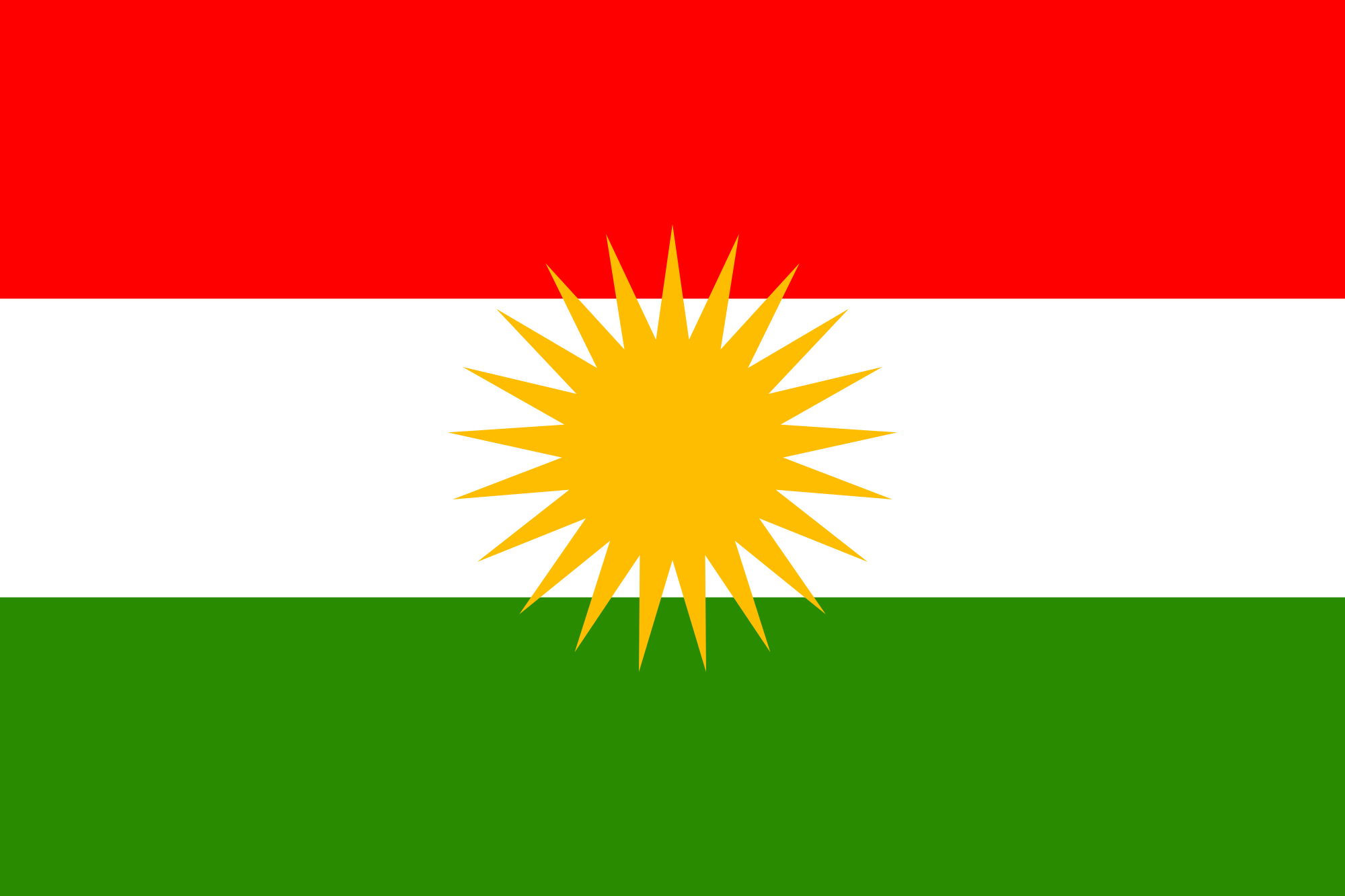
Kurdistan National Anthem
Ey Reqîb [Oh you who watch us]
Ey Reqîb
Ey Reqîb, the nation whose language is Kurdish is alive
It cannot be defeated by makers of weapons of any time
Let no one say the Kurds are dead, the Kurds are alive
The Kurds are alive and their flag will never fall
We are the sons of the red color of revolution
Our history is one filled with blood
Let no one say the Kurds are dead, the Kurds are alive
The Kurds are alive and our flag will never fall
We are the sons of the Medes and Keykhosrow
Our homeland is our faith and religion
Let no one say the Kurds are dead, the Kurds are alive
The Kurds are alive and our flag will never fall
The Kurdish youth has risen like noble warriors
To draw the crown of life with blood
Let no one say the Kurds are dead, the Kurds are alive
The Kurds are alive and our flag will never fall
The Kurdish youth are ever-ready
And always prepared to sacrifice their lives
To sacrifice their lives, to sacrifice their lives.
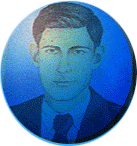
Dildar, Writer of Ey Raqib/ 20-02-1918 -12 .07.1947
Ey Reqib is the Kurdish national anthem. It has been written by the Kurdish closer Dildar in 1920, while he in
the prison drunkenly in Easterly Kurdistan. Ey Reqib means literal "Hey guard", but from the day of today the
title mostly as "hey enemy" translated becomes. The national anthem had been written original in Sorani, but has been
translated also in other Kurdish dialects. Below passing stand versions of the Kurdish national anthem..
HISTORICAL BACKGROUND
The National Flag was first introduced by the leaders of the Khoyboun, (Xoybún "independence") movement to represent the Kurds in their struggle for independence from the moribund Ottoman Empire. It was subsequently presented to the members of the international delegation at the Paris Peace Conference that devised a plan for Kurdish independence as a part of the Treaty of Sèrves with Ottoman Turkey in 1920. Under the same flag the Khoyboun announced the formation of the first "Kurdish Government in Exile" in 1927 and fought a drawn-out war until 1932, in order to revive the Kurdish national independence, lost since 1848.
In 1946 and the creation of the Republic of Kurdistan at Mehabad, the old "sunny flag" was adopted by its parliament as the official Flag of the Republic. Following these historic background, the National Flag is widely adopted in Kurdistan and has been set aloft by various Kurdish movements and entities in all sectors of the land.
The "sunny flag" has thus been consecrated by the blood of all Kurdish patriots of this century, from tens of thousands who fell in defending the independence movement under the Khoyboun, to the President of the Republic of Kurdistan and his elected cabinet who were hanged in sight of this flag by the foe. The flag was aloft when Dersim was immolated in 1938; it was aloft when wounded Kurds on stretchers were placed before the firing squads in 1980; it was aloft when Kurdish civilians were gassed in their thousands in cities and towns in 1988; it was aloft when millions were driven from their villages and towns that have been set alight since 1989; and, it remains aloft everywhere today--150 years after the loss of Kurdish independence--when Kurds are redoubling their perennial struggle to regain their dignity and equality with other nations by reviving their right to choose the course of their own future.
