Halabja
16 March 1988
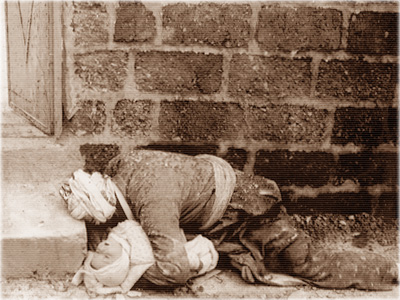
On March 16th, 1988, the city of Halabja in Iraqi Kurdistan became the site of the largest scale chemical attack on a civilian population in history. That morning, Iraqi warplanes flew over the city and dropped chemical bombs on the thousands of unsuspecting people living there. At least 5,000 people died immediately (75% of them women and children) as a result of the chemical attack and it has been estimated that a further 7,000 people were injured or suffered long-term illnesses. Still today, victims of the chemical weapons used in the region during that time continue to die decades after their exposure.
The city was unprepared for such an attack that morning as was evident by the many children who were busy in the streets playing their usual games. Little did they suspect that Iraqi fighter jets would soon swoop low over Halabja dropping chemical weapons and would continue to bomb the city twenty times for almost one hour. When the bombs struck the city, many died instantly while others tried to escape not knowing that the stench of rotten apples they smelled was the poison gas that was heavier than the air they breathed.
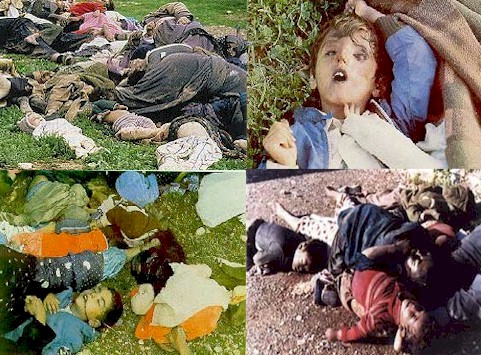
“The scene that greeted them in the morning defied description. The streets were strewn with corpses. People had been killed instantaneously by chemicals in the midst of the ordinary acts of everyday life. Babies still sucked their mothers’ breasts. Children held their parents’ hands, frozen to the spot like a still from a motion picture. In the space of a few hours 5,000 people had died. The 3,200 who no longer had families were buried in a mass grave.”
